
Traveling With an Autistic or Neurodivergent Child: A Calmer Approach to Family Trips
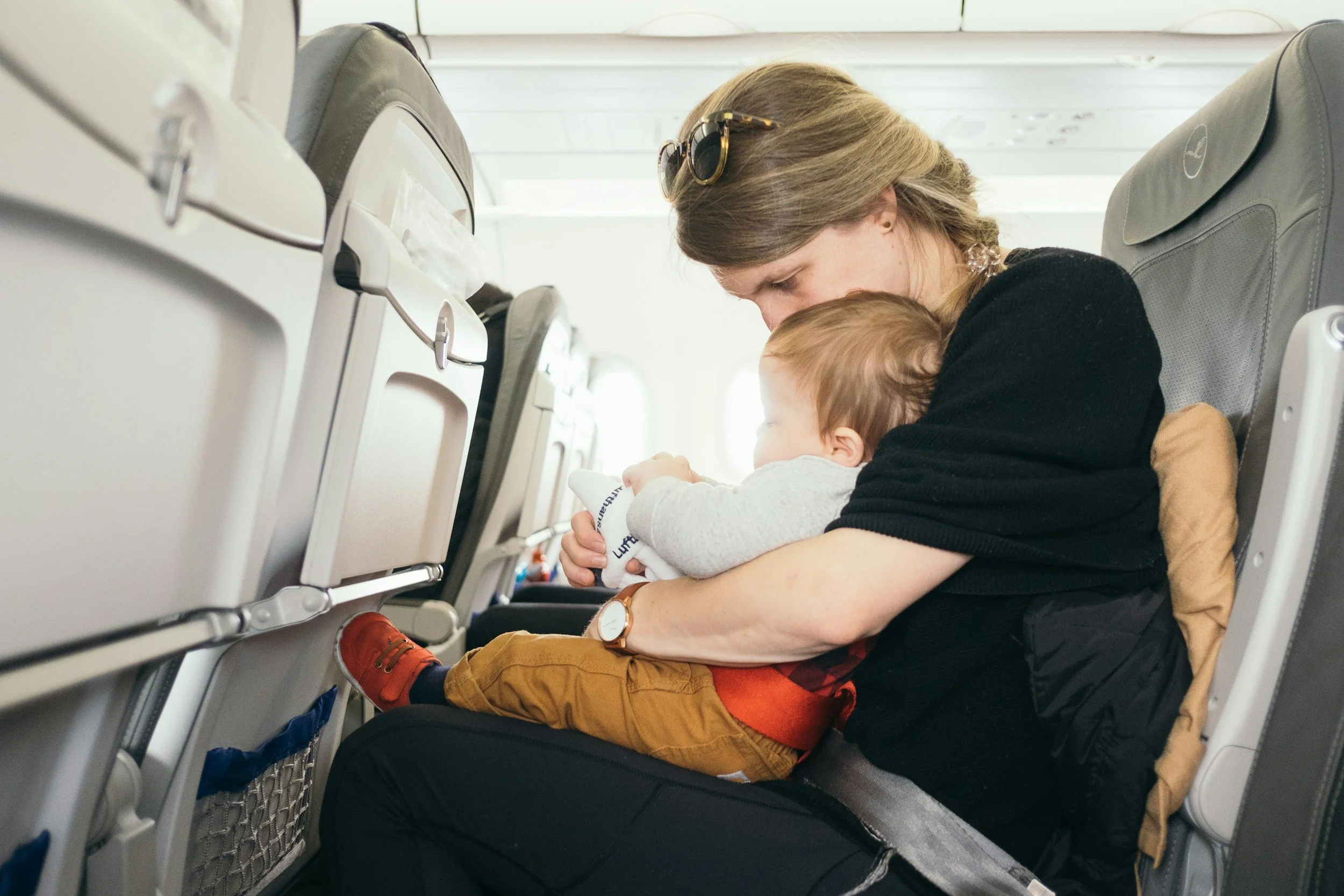
Family travel with a neurodivergent or autistic child is rarely as simple as packing a bag and heading out the door. New environments, unfamiliar routines, sensory overload, and unpredictable schedules can turn even a well-planned vacation into a difficult experience for everyone. But with thoughtful preparation, the right pacing, and realistic expectations, family trips can become some of the most meaningful experiences of a neurodivergent child's year.
The goal isn't a perfect, Instagram-ready vacation. It's a trip that your child can actually enjoy and remember fondly — and that the whole family can come home from feeling closer, not more depleted. Calmer travel is absolutely possible. It just looks a little different.
Why Travel Is Harder for Autistic and Neurodivergent Kids
Travel combines several stressors at once — which is why even a vacation that sounds relaxing can feel anything but to a neurodivergent child.
Loss of routine. The predictability that anchors a child's day disappears on a trip. Different wake-up times, different meals, different bathrooms, different bedtimes. The familiar scaffolding is gone.
Sensory unfamiliarity. New beds, unfamiliar sounds, different lighting, the smell of a hotel room, the texture of restaurant food. Sensory input that adults barely notice can feel overwhelming for kids who already process sensation intensely.
High social demand. Family trips often involve extended time with relatives, unfamiliar adults, busy public spaces, or constant togetherness with siblings. The recovery moments a child usually relies on may not exist.
Transitions, transitions, transitions. Travel is essentially a long string of transitions — packing, leaving home, security lines, vehicles, check-ins, new spaces. For a brain that finds transitions hard, this can be exhausting before the actual vacation even begins.
Recognizing this isn't a reason to skip travel. It's a reason to plan it differently — with your particular child in mind, not the brochure version of a vacation.
Choosing the Right Trip for Your Family
Before booking anything, it helps to think honestly about what kind of trip your child can actually enjoy. The most successful family trips tend to share a few features.
Shorter is often better. A three-day getaway your child can handle is more memorable than a ten-day trip that ends in exhaustion. Start small. Build the travel muscle over time.
Fewer destinations, deeper stays. One home base for the whole trip is usually easier than hopping between hotels. Familiarity grows, and your child gets to "settle in" rather than starting over every two days.
Pace matters more than place. A simple destination at a slow pace will almost always beat an exciting destination at a packed pace. Plan one main activity per day, not three. Build in real downtime.
Interest-led travel works wonders. Trips built around a special interest — a train museum, an aquarium, a national park, a favorite character's theme park — give your child a natural anchor for engagement and joy.
Trust what you already know. If your child struggles with crowds, a beach during peak season may not be the right fit. If transitions are hard, a road trip with five stops may be too much. The right trip works with your child's nervous system, not against it.
How to Prepare Your Child Before the Trip
Preparation is where calm travel is actually built. The more your child knows in advance, the less anxiety they bring into the unknown.
Use visuals. Show photos of the hotel, the airport, the destination, the people you'll be visiting. Look at maps together. Many websites have virtual tours that help kids build a mental picture of where they're going.
Create a simple trip schedule. A visual schedule of each day — even just morning, afternoon, evening blocks — gives your child something to refer back to. Predictability reduces anxiety.
Practice the harder parts. If your child has never been on a plane, watch videos of takeoffs. If they've never stayed in a hotel, talk through what it's like. If they'll be meeting relatives they don't know well, share photos and names in advance.
Talk about what's hard, too. Don't only sell the fun. Name the parts that may be tricky — long car rides, waiting in lines, eating unfamiliar food. When kids know hard moments are expected, they're far less likely to feel like they're failing when those moments come.
Build social skills in advance. For trips that involve a lot of social interaction — family reunions, group tours, kids' clubs at resorts — practicing conversations and social scenarios beforehand can help. This is one of the things online social skills peer groups, like the ones we offer at Ascent Autism, can support well: gentle practice in low-stakes settings before higher-stakes ones.
Managing Travel Days: Airports, Long Drives, and Hotels
The travel day itself is often the hardest part of the trip. A few strategies make a significant difference.
Airports: Many airports now offer sensory rooms, accessibility services, and pre-flight tours. Call ahead — most airlines and airports have specific programs for neurodivergent travelers. Arriving early reduces the time-pressure stress. Pre-boarding can give your family a calmer entry onto the plane.
Long drives: Plan more stops than you think you need. Pack a "car kit" with sensory tools, snacks, familiar entertainment, and comfort items. Build in transitions: "We're stopping in ten minutes," not a surprise pull-off.
Hotels and rentals: Bring familiar items from home — a pillowcase, a stuffed animal, a favorite blanket, a sound machine. These small anchors help unfamiliar rooms feel safer. Walk the space when you arrive: where's the bathroom, where do we sleep, where's the door.
Food: Pack familiar snacks and meals when possible. Restaurants and unfamiliar food can be a meltdown trigger when everything else is already new. The "we'll just figure it out" approach to meals usually doesn't work on the road.
Pacing throughout the day: Build in quiet time. A morning activity followed by an hour back at the hotel is often more sustainable than back-to-back outings. Many families find that doing less actually means experiencing more, because the moments they do have are calmer and more present.
Handling Meltdowns and Hard Moments Away From Home
Even with the best preparation, hard moments will happen. They're not a sign that the trip is ruined — they're a sign that a small person is working hard in a big, unfamiliar world.
Have an exit plan. Know where you can take your child for a sensory break in any environment. The car, the hotel room, a quiet bench outside the restaurant. Knowing you can leave makes it easier to stay.
Don't worry about strangers' reactions. It's natural to feel embarrassed when a child melts down in public, but your child needs you focused on them, not on how the situation looks. Most onlookers either don't notice or are far more sympathetic than we assume.
Reduce, don't add. When a hard moment is happening, the instinct is to talk more, reason more, explain more. Most of the time, less is better — fewer words, lower voice, less stimulation, more space.
Forgive the day, and yourself. Some travel days end in tears. They almost always look better the next morning. One hard moment is not the trip. One hard day is not the trip either.
The Importance of Recovery: Before, During, and After
One of the most overlooked parts of calm family travel is recovery. Travel uses up a neurodivergent child's regulation reserves faster than most parents expect — and refilling those reserves is part of the journey, not separate from it.
Build in recovery before the trip: a quieter week leading up to departure, with fewer social demands and good sleep.
Build in recovery during the trip: quiet mornings, midday breaks, slower evenings, and at least one whole "do nothing" day on longer trips.
Build in recovery after the trip: don't schedule big events the day after returning home. Many neurodivergent kids need several quiet days to integrate the experience and return to baseline. This isn't a failure to "bounce back" — it's how a nervous system processes a lot of new input.
A Final Thought
A calmer approach to family travel isn't about lowering expectations. It's about adjusting them — letting go of the imaginary version of the perfect family vacation and making room for the real one.
The real version might be slower. It might involve more quiet moments and fewer photos. It might mean skipping the "must-do" attraction because your child is happier collecting rocks by the hotel pool. And that's not a lesser version of travel. That's travel that fits your family.
Some of the most meaningful family memories aren't made at famous landmarks. They're made in the small moments — a child's laugh in a new place, a quiet evening together in an unfamiliar room, a brave first try at something different. Those moments are absolutely possible. They just often happen when we slow down enough to let them.
Pack well. Plan kindly. Travel at your child's pace. The trips that fit your family are the ones worth taking.
June 25, 2026Hye Ryeon Lee, PhDHye Ryeon is a neuroscientist with over 10 years of experience studying Autism Spectrum Disorder, including at the Stanford University School of Medicine. She has published numerous papers on the mechanisms of autism in journals such as Nature, Science, and Nature Neuroscience.https://www.linkedin.com/in/hyeryeonlee/