

Traveling With an Autistic or Neurodivergent Child: A Calmer Approach to Family Trips
Family travel with a neurodivergent or autistic child is rarely as simple as packing a bag and heading out the door.
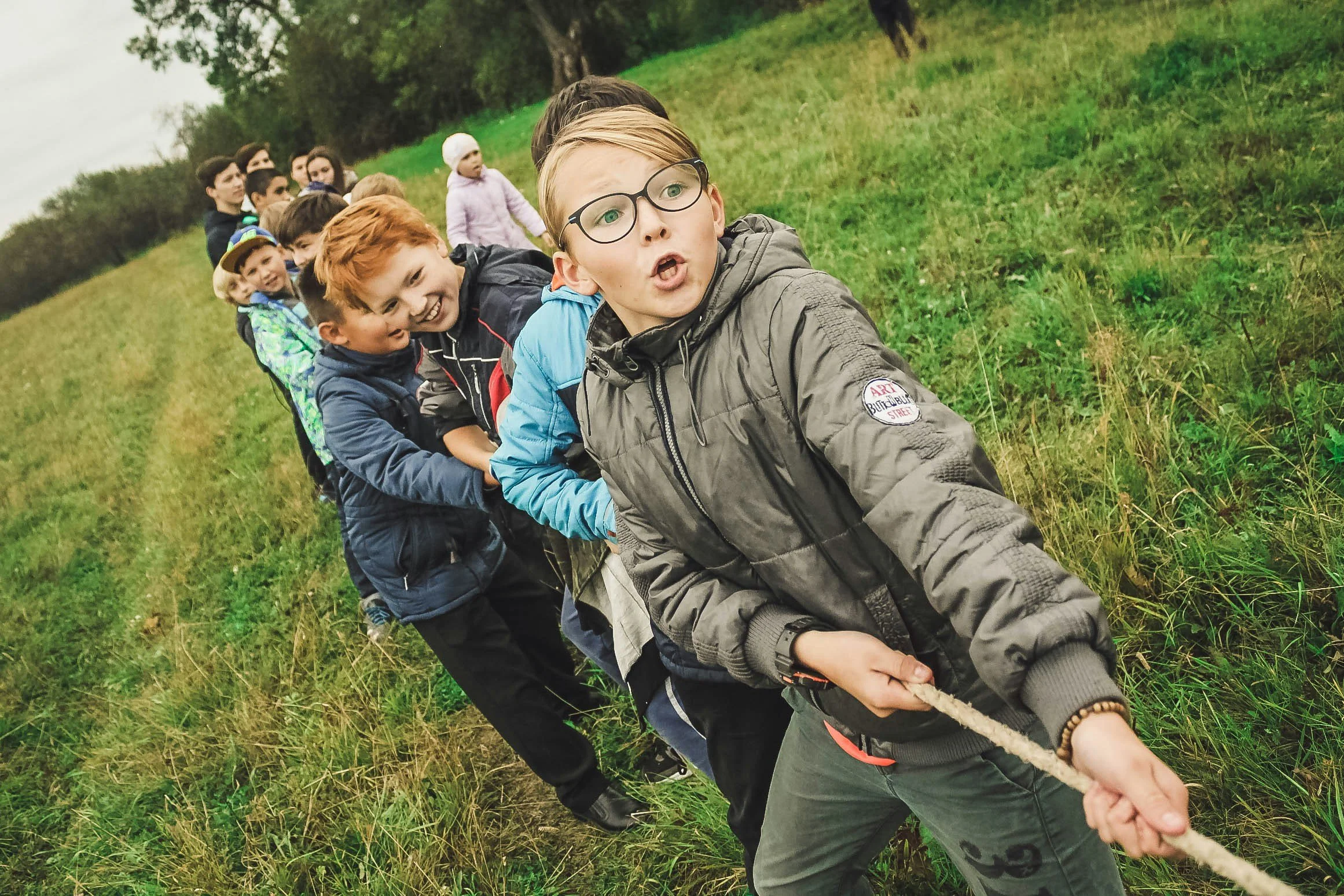
How to Choose the Best Summer Camp for an Autistic or Neurodivergent Child
Many parents search for summer camps for autistic children or neurodivergent kids but quickly discover that not all camps are equally prepared to support different learning styles, sensory needs, and social communication differences.

When "What If" Takes Over: Excessive Worry in Neurodivergent Kids
There's a particular kind of thought that can hijack an entire afternoon. It starts small — what if I said the wrong thing at lunch? — and then it grows.

Understanding and Responding to Teasing: A Guide for Neurodivergent Individuals and Families
Teasing is a complex social behavior that ranges from playful bonding to hurtful targeting.

Nurturing a Growth Mindset: Why "Yet" Might Be the Most Powerful Word You Can Teach
When a child throws their pencil down and says, "I can't do this," there's a small but powerful word that can change everything: yet.

Understanding and Overcoming Procrastination for Neurodivergent Individuals
Procrastination affects nearly everyone at some point, but for neurodivergent individuals, it can become a persistent source of stress, self-criticism, and missed opportunities.

Building Decision-Making Skills for Neurodivergent Individuals
Decision making touches every aspect of our daily lives, from choosing what to wear in the morning to selecting a career path.

Navigating Social Connections in the Digital Age: A Guide for Modern Relationships
The landscape of social interaction has transformed dramatically over the past decade.

Understanding What Drives Your Child: Effective Motivation Strategies for Different Learning Styles
Every parent has experienced moments when their child seems completely unmotivated—whether it's resisting homework, avoiding social activities, or showing little interest in trying new things.